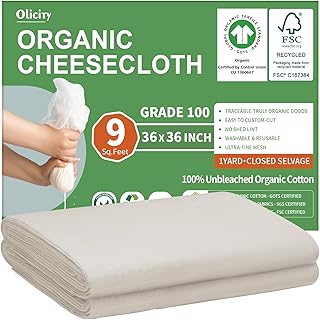
For centuries, cheesecloth has been an indispensable tool in kitchens and workshops around the world. Far more than just a fabric for making cheese, this versatile, loosely woven cotton cloth is a multi-purpose hero for straining, filtering, cooking, and even crafting. Whether you're a home cook, a DIY enthusiast, or a professional chef, understanding the different types and grades of cheesecloth can elevate your projects. This guide will walk you through its many uses and help you select the perfect cheesecloth for any task.
What is Cheesecloth and What Are Its Grades?
Cheesecloth is a lightweight, gauzy cotton fabric with an open weave. Its utility is defined by its "grade," which refers to the number of threads per inch. The higher the grade, the tighter and finer the weave. Grade 100 cheesecloth, often called "butter muslin," is the finest and most durable, featuring an ultra-dense weave perfect for straining fine particles. You can find excellent examples like the Cotton Farm Grade 100 XL Cheese Cloth, which is renowned for its quality. Lower grades, like 40 or 60, have a more open weave and are better suited for tasks like bundling herbs.
Versatile Uses in the Kitchen and Beyond
The primary use of cheesecloth is, of course, in cheese making. It's perfect for draining whey from curds to create fresh cheeses like ricotta, paneer, or farmer's cheese. A 6-Pack of Grade 100 cheesecloth is ideal for this, as it's reusable and the fine mesh captures all the curds.
Beyond cheesemaking, it's a champion for food straining. Use it to make clear broths and stocks, strain yogurt to create Greek yogurt, or separate pulp from fresh juices. For juicing, a product like the Mostdream 10-piece pack offers great value. It's also essential for cooking turkey—placing aromatics inside the cavity and tying the legs—and for straining sauces, gravies, and clarifying butter.
Choosing the Right Cheesecloth: Key Features
When selecting a cheesecloth, consider these factors:
Material: Always opt for 100% unbleached cotton cheesecloth for food safety. Unbleached fabric ensures no harmful chemicals leach into your food. The Organic Cheese Cloths with GOTS certification represent the gold standard for purity and sustainability.
Edges: Look for hemmed or closed edges. This prevents fraying, makes the cloth more durable, and easier to handle. Products like the 12Pcs Reusable Cheese Cloths with 4 hemmed edges are built to last through many uses.
Size & Pack: Precut squares (like 20x20 inch or 15x15 inch) are incredibly convenient. Consider how often you'll use it; a multi-pack like the High-Grade 100 Cheesecloth 6-Pack ensures you always have a clean one on hand.
Reusability: High-quality, densely woven cheesecloth can be washed and reused many times, making it an economical and eco-friendly choice. Always check if the product is marketed as reusable.
Specialty Cheesecloths and Their Applications
For specific needs, there are tailored options. Bleached cheesecloth, like the GoodCook Everyday Cotton Cheesecloth, offers a bright white appearance often preferred for certain crafts or presentations. For smaller, frequent tasks, a 4-pack of 15x15 inch precut cloths is perfectly sized. If you need a trusted brand for everyday culinary use, the MAJESTIC CHEF Natural Cheesecloth is a reliable single-pack option.
For a deeper dive into selecting and using this versatile fabric, be sure to read our comprehensive Ultimate Guide to Cheesecloth. You'll find detailed comparisons, care instructions, and more creative applications.
Care and Maintenance
To get the most out of your reusable cheesecloth, rinse it immediately in cold water after use to remove food particles. Then, hand-wash or machine wash on a gentle cycle with mild detergent. Avoid fabric softeners, as they can clog the weave. Hang to dry or tumble dry on low. With proper care, a high-grade cheesecloth can become a permanent part of your cooking essentials toolkit.
From creating artisanal cheeses to polishing your homemade broth, the right cheesecloth is a simple tool that makes a significant difference. By understanding grades, materials, and features, you can confidently choose a product that will serve you well for years, whether it's for cooking, straining, juicing, or DIY crafts.