Cheesecloth is one of those humble kitchen tools that, once discovered, becomes indispensable. Far more than just a fabric for making cheese, this versatile, loosely woven cotton cloth is a multi-purpose hero in the kitchen, garden, and craft room. Its primary function is straining, allowing liquids to pass through while catching solids, but its applications are surprisingly diverse. Whether you're a home cook, a DIY cheesemaker, or a crafter, understanding the different types and grades of cheesecloth is key to getting the best results.
What is Cheesecloth and What Are Its Uses?
Traditionally made from 100% cotton, cheesecloth is a gauzy, open-weave fabric. Its "grade" refers to the thread count and tightness of the weave, which directly impacts what it can filter. The most common uses include:
In the Kitchen: This is where cheesecloth truly shines. It's perfect for straining stocks, broths, and yogurt to achieve a silky-smooth texture. It's essential for making cheese, as it separates curds from whey. Many cooks use it to bundle herbs for a bouquet garni, to wrap and brine a turkey (a classic technique for juicy meat), or to strain homemade nut milks and juices. For tasks like polishing glass or dusting pastries with powdered sugar, a small piece works wonders.
In Crafts & Beyond: Its soft, malleable nature makes it ideal for crafts. It can be dyed, torn, and shaped for Halloween costumes, ghost decorations, or as a base for other fabric projects. Gardeners use it to protect plants from pests or to sift compost.
Understanding Cheesecloth Grades: From Loose to Ultra-Fine
Not all cheesecloths are created equal. The grade number indicates threads per inch. A lower number means a looser weave, while a higher number signifies a tighter, finer weave.
Grade 10-40: These are very open weaves, best for tasks like bundling herbs, polishing, or light dusting. They are not suitable for fine straining.
Grade 50-60: A good multi-purpose grade for straining stocks or making ricotta.
Grade 90-100: This is the Grade 100 cheesecloth, often called "butter muslin" or "ultra-fine." It has the tightest weave, designed to catch the tiniest curds for cheesemaking or to produce crystal-clear broths. Products like the Cotton Farm Grade 100 XL Cheese Cloth exemplify this category, offering a reusable, ultra-dense fabric perfect for serious culinary tasks.
Key Features to Look For When Buying Cheesecloth
When selecting a cheesecloth, consider these features to ensure you get a product that performs well and lasts.
Material: Always opt for 100% cotton. It's food-safe, absorbent, and durable. You'll find both unbleached (natural beige) and bleached (white) options. Unbleached is generally preferred for food contact as it hasn't been treated with chemicals.
Hemmed Edges: This is a crucial feature for durability. Unhemmed cheesecloth frays and unravels quickly with use and washing. Look for products with finished edges, like the 12Pcs Reusable Cheese Cloths which are hemmed on all four edges, or the Organic Cheese Cloths with closed edges. This makes them truly reusable.
Certifications: For the most natural option, seek out organic certifications like GOTS (Global Organic Textile Standard), which guarantees the cotton was grown and processed without harmful chemicals.
Precut vs. By-the-Yard: Precut squares, like the 6-Pack Beige Cheesecloth or the Precut Cheesecloth 4 Pack, offer convenience and reduce waste. Buying by the yard (like the GoodCook Everyday Cotton Cheesecloth) is economical for large projects.
Top Cheesecloth Picks for Every Need
With so many options, here are some standout products for specific uses:
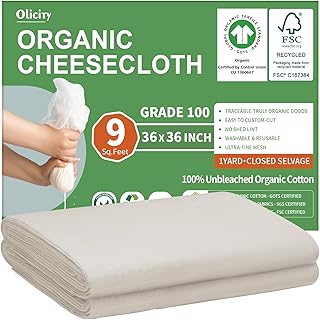
For the Serious Cheesemaker or Purist: The Organic, GOTS Certified Cheese Cloths are a top-tier choice. Their large 36x36 inch size, Grade 100 density, and organic certification make them ideal for frequent, high-quality food preparation.
For Versatile Kitchen Use: A multi-pack of Grade 100 cloths is incredibly handy. The Mostdream 10-Pack or the High-Grade 100 Cheesecloth 6-Pack provide plenty of reusable pieces for straining yogurt, making cheese, or cooking turkey.
For a Trusted Brand Name: The MAJESTIC CHEF Natural Cheesecloth is a reliable, single-package option from a known culinary brand, perfect for trying out cheesecloth for the first time.
Care and Reusability Tips
A high-quality, hemmed cheesecloth is designed to be reused. After use, rinse it immediately under cold water to remove food particles. Then, hand-wash or machine wash in warm water with a mild detergent. Avoid fabric softeners as they can reduce absorbency. Hang to dry or tumble dry low. With proper care, a good cheesecloth can last for many uses, making it an economical and eco-friendly choice.
In conclusion, cheesecloth is a simple tool with profound utility. By choosing the right grade—especially a durable, hemmed Grade 100 cheesecloth—you invest in a versatile assistant that will serve you well in countless kitchen and craft projects. For a deeper dive, check out our comprehensive Ultimate Guide to Cheesecloth to master all its potential uses.